
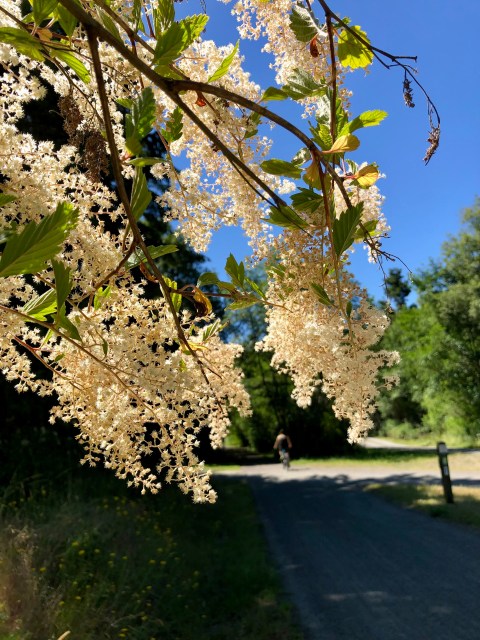
Summertime has arrived on the Olympic Peninsula’s rainshadow! Native shrubs like Oceanspray, Holodiscus discolor and Hardhack, Spirea douglasii are blooming. Others are fruiting: salmonberry, thimbleberry, and red elderberry The garden is filling out with lush greens, and warm-season crops are starting to develop and mature. Just yesterday I saw a garter snake with a big black slug in its mouth.
Edible Garden
Winter garden: Select beds that have finished producing and replenish with compost. Rotating crops prevents diseases from building in the soil.
Time to direct sow brassicas and greens, beets and carrots. Varieties: Purple sprouting broccoli, Lacinato and Red Russian Kale, Early Jersey Wakefield cabbage, Winter Density lettuce, Abundant Bloomsdale spinach, Bolero carrots.
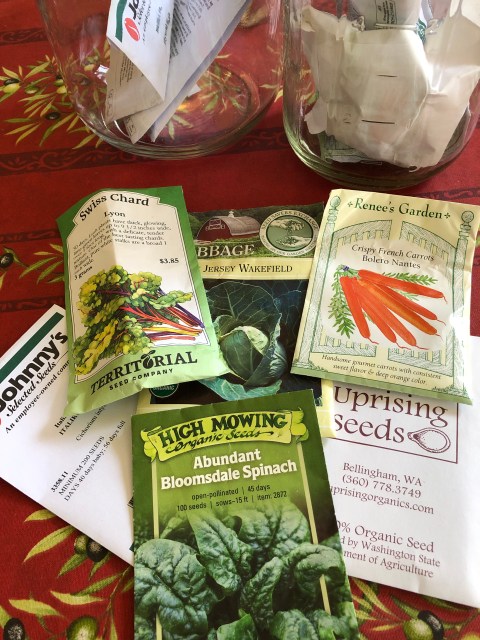
Make sure to leave room for your garlic crop that can be planted in November.
Tomatoes: Remove suckers and continue staking.
Weeding: Make a quick pass once a week to eliminate weeds. Some weeds can be companion plants, however they also compete for nutrients, water and light.

Curing garlic: Harvest garlic bulbs when 4-5 leaves are still green, taking care not to damage them. Over-watering or leaving them in the ground too long causes the bulbs to split or become prone to disease. Fresh garlic is fragile. Clean the garlic by gently pulling down the top leaf and removing it from the bulb. ( If the leaf has signs of rust, be sure to throw away the skins instead of composting to prevent spreading the spores.) Brush soil from roots.Drying in a well-ventilated place takes a couple of weeks. Check the stems and when no green remains inside, they are safe and should store well.
Strawberries: Renovate June-bearing varieties (not the everbearing, day-neutral ones). Cut to 2-3 inches. Mowing can accomplish this. Cut out and remove weak and crowded plants. Fertilize with a balanced natural blend like Down To Earth.
Flowers: Save seed from annuals and biennials including: nasturtium, bachelor buttons, foxglove, calendula and bread-seed poppies, cosmos. Dry them in a cool dark place and label the envelope with plant, and date.
Landscape
Time to review the garden. If some plants didn’t make it after the last couple of years of climate ups and downs, maybe replacing part of the landscape with natives could be on your horizon. If you have lots of space maybe it’s time to consider planting a hedgerow that will help slow the wind or screen the road.
Bulbs: Order bulbs in the next few weeks to plant in the fall. This is especially true if you want to plant some more unusual bulbs. When they arrive check the bulbs to ensure there is no disease or damaged bulbs. Store them in a cool dark place until you are ready to plant. I often order from Johnny Scheepers. Another company, that is good and local is RoozenGaarde.
Irrigation: Determine which plants need extra care and keep their roots growing. Many established shrubs won’t need any water until August, but in the first couple of years a plant will develop nicely and be healthier if it is watered regularly. If plants look weak or diseased, give them a boast with compost and liquid seaweed fertilizer.
Lawns: Port Townsend homeowners have long had an unspoken agreement that green lawns are not a requirement for a beautiful landscape. A well-kept yard is often mowed until mid-July and then the grass goes dormant and the hawkweed or dandelions provide food for pollinators. When the autumn rains return, our lawns green-up again. At that time, spread dolomite lime. This provides calcium and magnesium as well as making the soil less acidic and more inviting for grass. In fact, many people prefer not to have lawns. But if grass is already there, allow it to go dormant.
 Sustainable Garden Design