
When I would help Tinker in her garden, often she dug up dandelion plants as if they were precious. The roasted roots made a delicious tea that she savored. Imagine if the plants we detested somehow changed in our mind to become useful resources. So much in life is how we frame something. If we look at a weed and notice a couple insect pollinators insects sipping the nectar, maybe the ‘weed’ isn’t so bad. That doesn’t mean we have to keep the plant. I have had weeds that I once hated and then learned to accept them, even as I removed them.
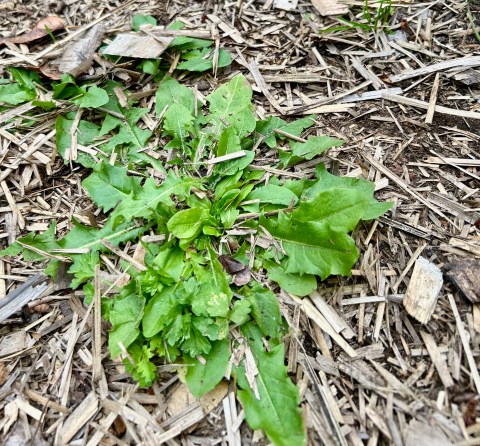
Gardeners who take the time to identify the plant can be more effective. Knowing a plant lets you determine the best way to control it. Sometimes a weed can be an indicator of environmental conditions: the soil is wet or heavy, or it is very acidic. Some tough weeds will die out if the roots don’t get nutrients from foliage. This requires diligence—regular weed-eating. Small, less-hardy weeds will die from deep mulch that smothers small plants and suppresses weed seeds. Proper ID is key to control.
Weed Identification
Botanical identification begins with a plant’s flower. We can’t rely on the foliage because weeds are by their nature adaptable and have a lot of variety. Vegetative characteristics are malleable. Here’s a short digression: years ago I managed the UCSC agroecology program greenhouse and was responsible for transplanting seedlings. In wood flats full of vegetables or flowers that required pricking out, there would be a number of weed seedlings from the compost. The young weeds could look almost identical to the some of the crops—so much so, that a number of the apprentices I supervised would pot up the weed seedlings! So identify your weed when it is flowering and then start to recognize the plant in all its stages, from young seedling to flowerings going to seed.
I’m old-school and like books. My favorite book for weed identification is Weeds of the West, University of Wyoming Press. Our cooperative Extension had it for sale decades ago. Now it can be downloaded for free from the website or used books can be found online. 900 color photos include the weed at young stages.
Online resources include Hortsense from Washington State University, with 90 fact sheets listed by alphabetical order. University of California, Davis has a useful online weed identification key
Weed Ecology
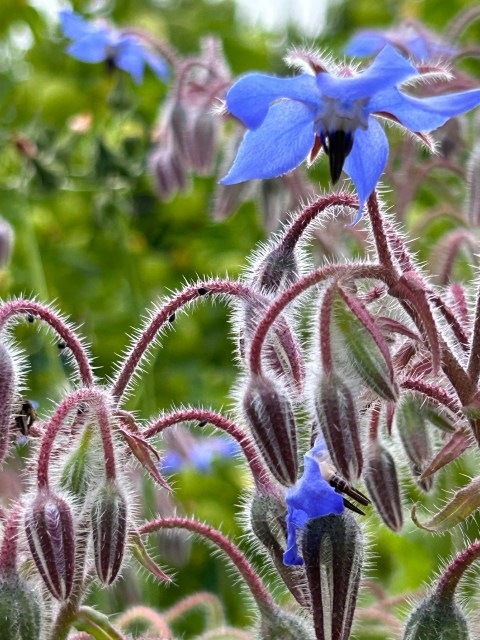
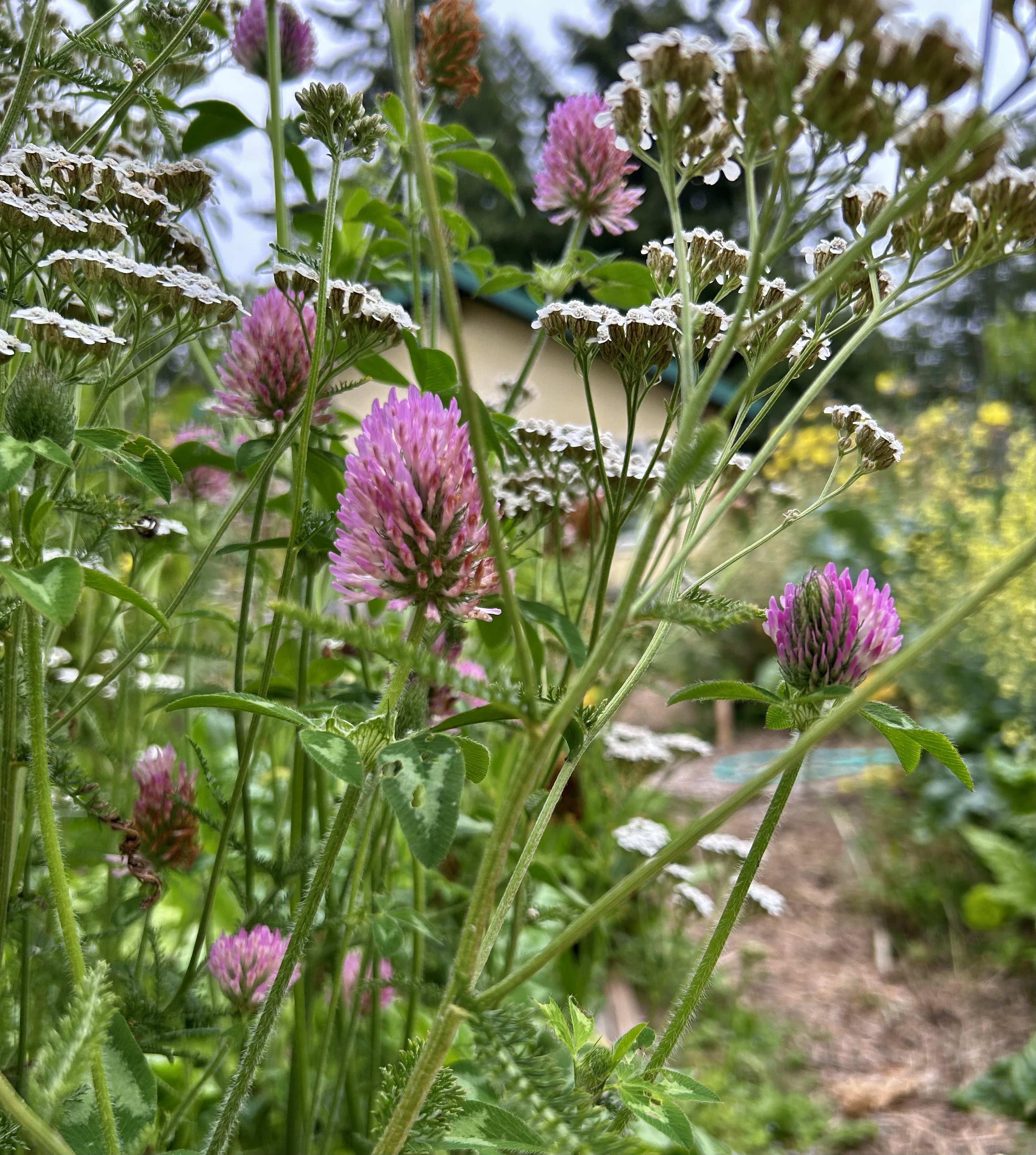
Many weeds are species that have adapted to colonize disturbed sites, such as landslides; after a wildfire has burned off vegetation; along roadsides; or at building sites where excavators have exposed mineral soil. Alan Chadwick, the famous gardener who developed the French-Intensive-Biodynamic method, always said nature abhors a vacuum. That’s why in my garden I sprinkle around borage, red clover, phacelia, or calendula. By regularly weeding out unwanted plants, I have mostly replaced the disturbed areas with annual flowers that are easy to pull and have many benefits. There’s not much room for weeds.
Weeding Techniques
Start weeding early spring, when the ground is still moist and the plants are young. Weed annual gardens regularly. Use lots of mulch around perennials and woody plants. Since weed seeds can remain dormant for decades, it’s important not to let weeds good to seed.
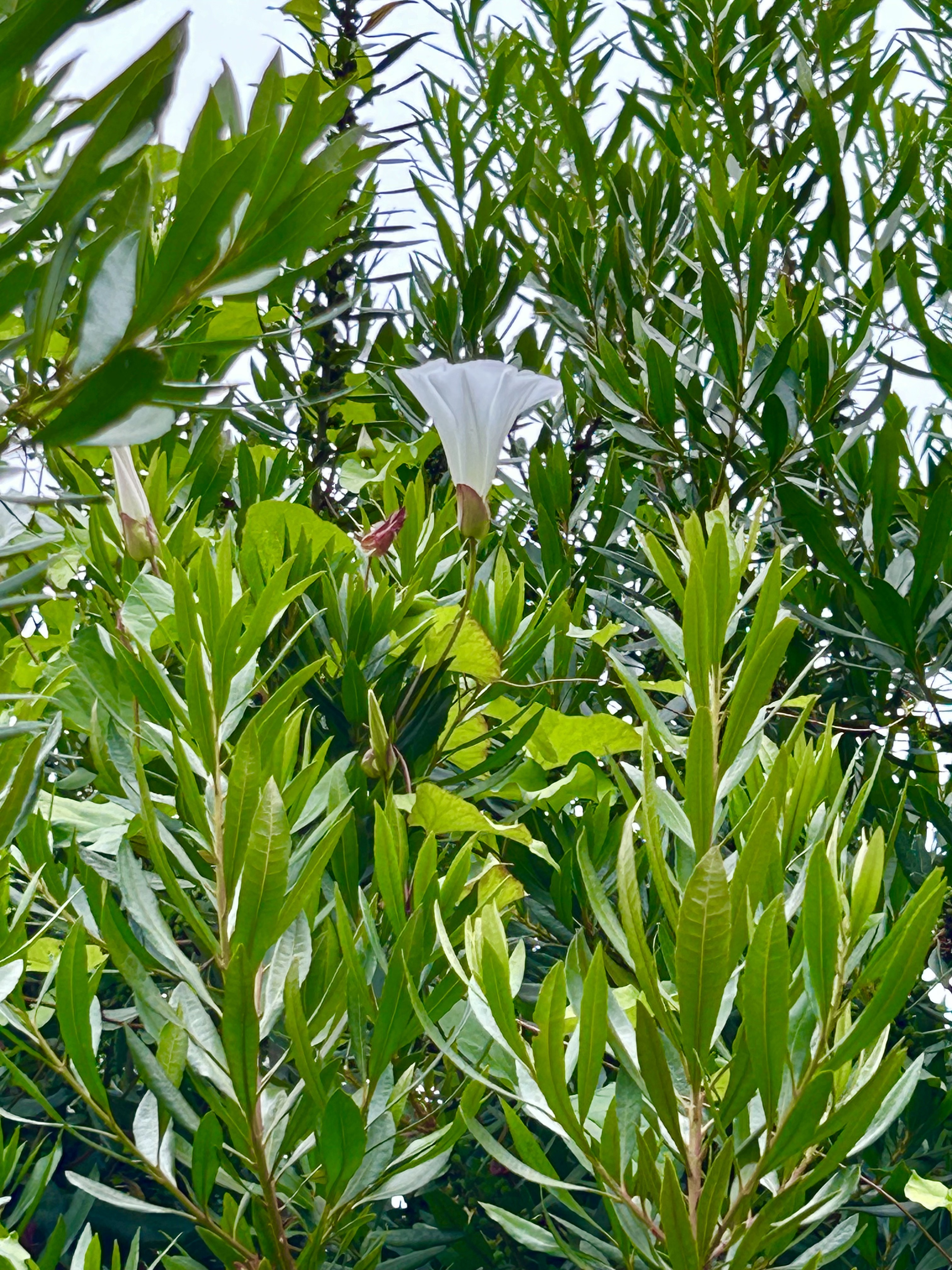
Certain perennial weeds can become one’s nemesis, for example horsetail, bindweed, Canada thistle . If you do nothing else, make sure to cut flower heads before they go to seed, bag them and send to the dump. The county noxious weed board doesn’t want what the state includes as noxious plants in our yard waste. If you cut the flower or seed heads and bag them, then the rest of the material is yard waste and can go to the compost facility. Thick mulch prevents seeds from sprouting. Everyday weeds can go into yard-waste. I have a big pile of plant debris that I will not use as compost, but will let it rot in place. In it I include weeds that have gone to seed but are not listed as noxious.
At one time I added woody plant material to this pile, but now wild roses, native blackberries and branches from hedges and ornamental shrubs go to yard waste. I don’t want excess fuel for potential wild fires.
If you are still using herbicide on weeds in pavement cracks or gravel, please consider a vinegar solution. Horticultural vinegar—at 35% strength is a lot stronger than kitchen vinegar—5% sold at grocery stores, so take more precautions! Wear gloves, glasses and long clothing. Although flame torches are used in agriculture to control weeds ( by boiling the sap, not turning foliage black), when I called our fire dept about using them for weeds in cracks I was informed that we had two wildfires in the county start that way!
For woody plants or deep-rooted perennials, such as Scotch broom, Himalayan blackberry, and poison hemlock, a weed wrench can be used to yank out the entire plant. The county weed board has wrenches they loan out.
A lot of weeds are my friends. I make flower bouquets, or add them to salads. Others are a haven for pollinators. Some are good sources of carbon for my compost piles.
 Sustainable Garden Design