
Signs of Spring
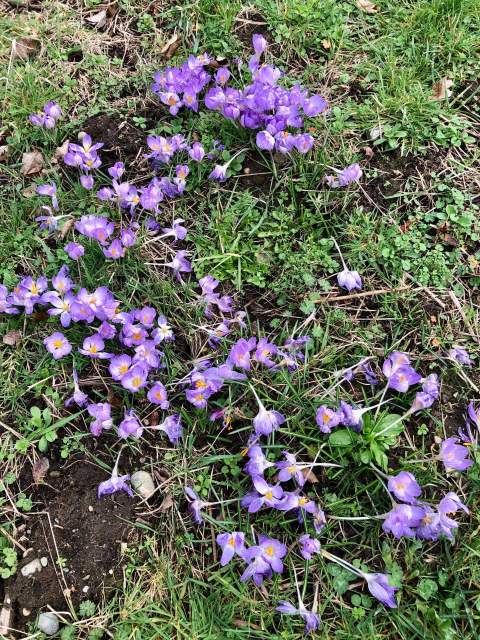
Crocus
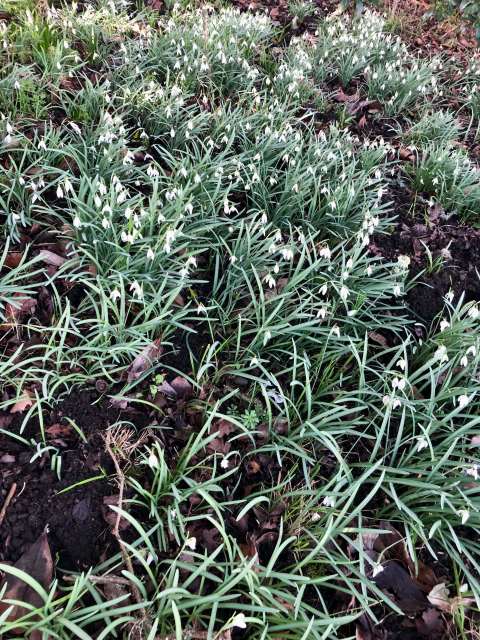
Snowdrop
Species crocus, known as snow crocus can withstand a late snow and cheerfully rebound. This Tuscan Crocus, botanically known as Crocus etruscus Zwanenburg, once planted will naturalize. Here they are in the orchard. They bloom about the same time as Snowdrops. The trick to encouraging their growth is to hold back on mowing or weed-eating until the foliage has died down completely. I buy bulbs locally or from an old bulb house https://www.johnscheepers.com
Spring may seem distant after the snow on Feb. 27, but the sun is getting higher in the sky and birds are returning. I weeded the asparagus this morning and got to see up close just what is changing. This is a good time to remove any perennial weeds from the asparagus bed. Th trick is to move gently around the asparagus to avoid nicking the new spears forming underground.
The crowns of perennials are starting to show signs of foliage: angelica, lemon balm, even the California fuchsia (Zauschneria) Along with the cool season weeds of deadnettle (Lamium) and shotweed (Cardamine hirsuta) are seedlings of several delightful annual flowers including Love-in-a-Mist.
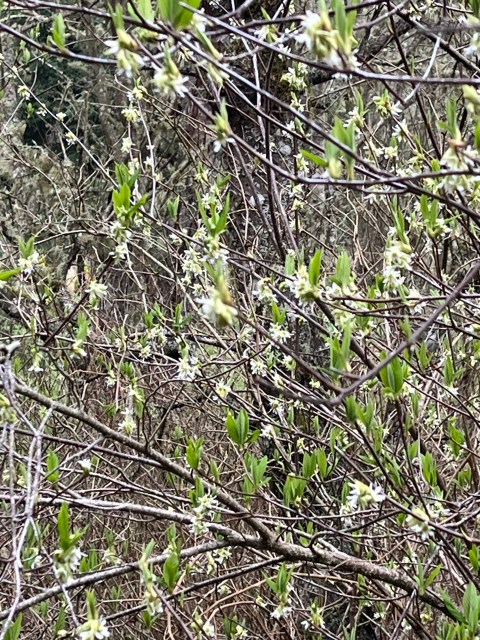
Around here spring starts blooming in the woods with Osoberry. I love the way tips of branches end in two leaves like palms held together in prayer or the anjali mudra.

Pruning Raspberries
An easy place to learn pruning is in the raspberry patch. Unlike fruit trees, there are not so many variables. The stems, known as canes are fairly simple and easy to cut with hand clippers. No saw or loppers are required. Raspberries tend to be vigorous so if you make a mistake and remove a lot it’s okay. Thin out canes to about 4 inches spacing Remove any spindly or diseased canes. Below are before and after photos.
Raspberry: There are two types of raspberry, summer-bearing fruits and autumn-bearing fruits.
The summer-bearing varieties (Cascade Delight and Tulameen) require two seasons to fully mature. The first-year leafy young canes shoot up from the roots; but not until the second season do these canes produce flowers and fruits. Some people cut these So, after the second-year canes fruit, cut them to the ground. Last year’s leafy canes are topped. These will produce flowers in early summer and abundant fruits in July for at least a month. For more on raspberries


Fruit Trees
Now is the time to prune apples, pears and other fruit tress, except plums and cherrys. In a future post I will demonstrate in a video how to prune. I love it and think of pruning as a form of sculpture. If you want to learn now, I suggest getting a lesson, watching a video or volunteering with our local gleaners. If you are not familiar with the gleaners, you must check out what they are doing. i have volunteered with them from time to time and it is so much fun!
https://www.foodbankgrowers.org/master-gardener-gleaner-pruning-demo
One of the best spring chores in the orchard is foliar feeding. By spraying liquid fertilizer directly to the new foliage, and even the branches, nutrients are absorbed faster than when added to the soil. This is partly because the ground is still cold. Foliar feed in the spring when the buds are beginning to burst with about 1/4 inch of green showing. Then again when the flower buds are pink and later when the petals drop. Spray early in the day to avoid wetting pollinators. This recipe was created by orchard expert Michael Phillips. Besides the nutrients provided by the liquid seaweed and fish fertilizer, neem is an amazing tree from the tropics that can disrupt insect pest reproductive cycles. Mix the ingredients in a pump sprayer. A Backpack sprayer is most efficient if you have many fruit trees.
2 gal H2O
2T Neem
2T Kelp
5T Fish Emulsion
Growing Peas
Fresh peas off the vine are one of the delights of a home garden. We often rush to get the seeds sown, but the ground can be too cold. The seed languishes and is vulnerable to rot and disease. Cutworms and slugs can attack the emerging seedling. Mid- or late-March will be soon enough. If your soil is heavy clay you might want to wait another week.
Sprouting the seed indoors gives it a jumpstart. Either soak overnight and set on paper until the sprout is ½ inch long or grow the seeds in small pots and transplant when the first two sets of true leaves emerge. If the seedlings were grown indoors, be sure to set the pots outside and bring them back in at night for a couple of days or more to let them harden off. (If you are late getting your pea crop going, we are extremely fortunate to have a selection of vegetable starts from Midori Farm and Red Dog Farm.
Favorite Pea Varieties
Snap peas: Sugar Snap, Sugar Ann and Oregon Sugar Pod
Snow peas: Oregon Giant and Avalanche
Shelling peas: Arrow and Lincoln.
Winter Storm Damage
Frost damaged leaves can appear water-soaked or they might turn dark brown and black, then drop off.
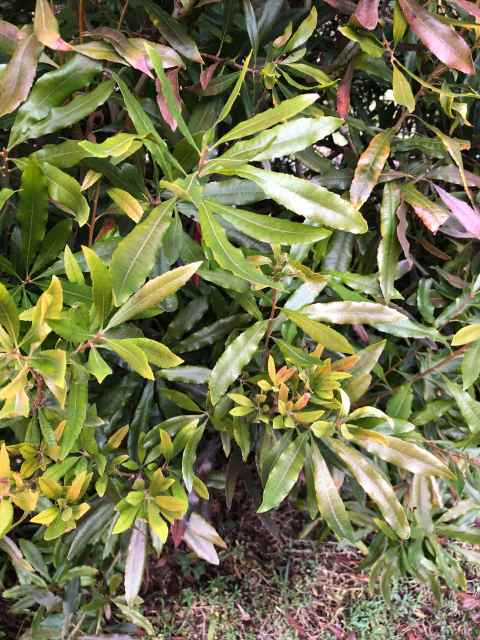
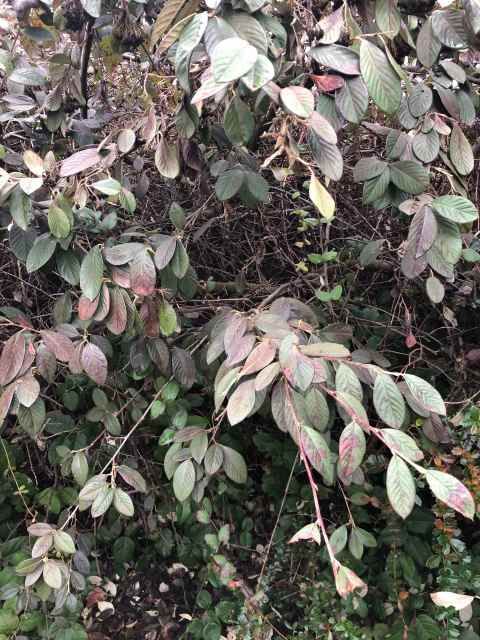
After a relatively mild December, plants were not hardened off, but still growing. Many evergreen shrubs have leaves that are brown and dropping. Although some look awful, restrain the urge to cut back the shrubs. Patience. Experts advise waiting until May or June to determine if plants are dead or just weakened. Plants like hebe from New Zealand, hardy fuchsia and some Mediterranean subshrubs like rosemary can look bad but will probably recover.
Arctic Blast
Thirty-three years ago, I worked here as gardener when we were hit with a severe arctic blast. Plants that looked terrible did recover slowly. The recent storm in January was very hard on gardens. Although some evergreen shrubs look awful, restrain the urge to cut them back. Patience. Experts advise waiting until May or June to determine the level of damage. The plants are weakened and will require extra attention in the coming year. Consistent watering based on their need, compost and some fertilizer will help. See this post on foliar spray seaweed. Some less hardy plants including newer introductions from New Zealand and Australia may die all the way to the ground but the roots could still be alive.
WEATHER
Cliff Mass, a meteorologist at Univ of WA has a blog that can teach you about our local weather https://cliffmass.blogspot.com/
He is not always right and his politics are questionable, but I read him regularly because his weather forecasting is good and he provides clear explanations about weather and climate. In the future, the winter weather event we should be alert for is the Oscillating Polar Vortex. That’s when an arctic blast rushing down from the Fraser Valley can slam the Olympic Peninsula.
Watering plants (Or using a hand-pump sprayer to spray as a foliar feed) with seaweed fertilizer provides micronutrients that can help all plants be more resilient. Research shows that kelp fertilizer strengthens plants to withstand abiotic stresses including drought and cold. I have used seaweed liquid fertilizer (Maxicrop) for 40 years and it is an essential part of my gardening. Seaweeds are rich in plant hormones that trigger the plant’s own hormonal production. And finally, seaweed extract strengthens the plant through its impact on the microbiome in the soil around the roots.
Foliar Feeding with Liquid Seaweed
Foliar feeding is a way of getting nutrients to the plants through openings in the plants leaves. It is faster than applying the same product to the roots. Use a hand-pump sprayer or backpack sprayer and apply in mornings or when it is not windy. Seaweed fertilizer provides micronutrients that can help all plants be more resilient. Research shows that kelp fertilizer contributes to abiotic stresses including drought and cold. Seaweeds are rich in plant hormones that trigger the plant’s own hormonal production. And finally, seaweed extract strengthens the plant through its impact on the microbiome in the soil around the roots.
 Sustainable Garden Design